


Physicians know the importance of securing their financial future, but when it comes to disability insurance, there are several misconceptions that can lead to confusion, inaction, or poor decisions. Let’s clear up the top five misconceptions about disability insurance for physicians and how you can make smart decisions that fit your unique career path.
1. “Disability Insurance is Too Expensive”
One of the most common misconceptions is that disability insurance is prohibitively expensive for physicians, especially those just starting their careers. However, there are ways to make coverage more affordable, such as:
- Graded Premiums: Instead of paying a level premium throughout your entire policy term, you can opt for graded premiums, which start lower and gradually increase over time. This option is particularly useful for young physicians who expect their income to rise significantly in the future. It gives you solid coverage now at a lower cost when you’re still early in your career, allowing you to “leverage” DI savings to other parts of your financial plan.
- Training Discounts: Many insurance providers offer significant discounts for physicians still in residency or fellowship or within 180 days post-graduation. These training discounts can help you lock in a more affordable premium now and still give you access to excellent coverage. Once you’re finished with training, the discount remains for the life of the policy and is applied to future increases.
- Preferred Occupation Discounts: As a physician, you may qualify for a preferred occupation discount, which means insurance companies will give you a reduced rate based on the fact that your profession is considered lower risk compared to other fields. Many physicians, especially those in specialties such as internal medicine or family practice, may benefit from this discount.
- Most male trainees will pay about $25-$35/mo per $1,000/mo of benefit, with females paying a bit more. In many cases, we can write a policy for as little as $1,000/mo of benefit, so for, say, $30/mo you can lock in your health and all policy benefits and increase your benefit as an attending without fear of declining health. With $5,000 in monthly benefit generally being the maximum while in residency, many of our training physicians elect to “split the difference” and take $2,500/mo of benefit.
Key Fact:
According to the Bureau of Labor Statistics, physicians in the U.S. make an average salary of $250,000 per year, yet less than 50% of them have long-term disability coverage. This leaves many under-protected despite their high-earning potential. With the right strategies, you can afford adequate coverage without breaking the bank.
2. “I’ll Be Denied Coverage Because of Pre-Existing Conditions”
Many physicians fear that a pre-existing condition will lead to their disability insurance application being denied or result in exclusions that leave them underinsured. While it’s true that pre-existing conditions can sometimes affect your policy, insurance providers have introduced Guaranteed Standard Issue (GSI) policies, which allow you to bypass individual underwriting.
Benefits of GSI Coverage:
- No Medical Exams: GSI policies typically don’t require medical exams, making the application process faster and simpler.
- No Exclusions: Pre-existing conditions are often covered under GSI, which means you won’t be excluded for medical conditions that might otherwise limit coverage.
- 50%: Nearly 50% of disability applications result in a denial or modified offer. Be sure to ask an agent if your institution has a GSI. This should be step 1 even if you think you are in good health, as many conditions a physician would consider inconsequential could still be a red flag in the eyes of an underwriter. Email us or send us a DM, and we will check the GSI list for you.
Misconception Debunked:
Guaranteed Standard Issue policies have expanded significantly in recent years, allowing more training physicians to obtain coverage without the fear of being denied or excluded due to their health history. This is an excellent option if you’ve been hesitant to apply because of health concerns.
3. “I Won’t Need It Forever, So Why Bother?”
Some physicians think they’ll need disability insurance for their entire careers or that the commitment will last forever. But the reality is that disability insurance is meant to provide coverage during the critical years when you’re still building your wealth. As you get closer to financial independence, your need for coverage will likely decrease.
Flexible Options:
- Reduce Coverage Over Time: As you accumulate assets and approach retirement or financial independence, you can reduce your coverage or drop the policy altogether. Disability insurance is a flexible solution that evolves with your career and financial situation.
- Protection During Vulnerable Years: The primary goal of disability insurance is to protect your earning potential when you’re most vulnerable. It’s crucial during the years when your income supports your lifestyle, savings, and family. As your savings grow, the necessity for coverage may diminish.
Key Fact:
A survey by the American Medical Association found that 1 in 3 physicians will experience a disabling injury or illness at some point during their career. The years between residency and financial independence are when you’re most at risk. Securing coverage now allows you to protect your income while you build your wealth.
4. “I’ll Rely on Group Disability Insurance Through My Employer”
Many physicians assume that the group disability insurance provided by their hospital or employer is sufficient to cover their needs. While it’s true that employer-provided policies offer some level of protection, relying solely on group coverage can leave gaps in your financial safety net.
Why Individual Coverage Matters:
- Own-Occupation Definition: Employer-sponsored plans often have a generic disability definition, which may not include true own-occupation coverage. This means you could be considered “able to work” if you can perform any job, even if you can no longer practice in your specialty. In fact, 83% of group plans sold in the last three years are only “own occupation” for 24 months.
- Portability: Group policies often aren’t portable, meaning if you change employers, you’ll lose your coverage. Individual policies stay with you no matter where you work or what changes occur in your career.
- Taxes and Offsets: 99% of group plans sold in the last three years have offsets for a variety of other income: Social Security DI, workmans comp, other earnings, insurance payouts, etc. These will all lower the LTD benefit you are paid. Additionally, your benefit is then taxed if the employer is paying the premium.
Misconception Debunked:
Having your own individual disability insurance policy ensures you have true own-occupation coverage, meaning you’ll receive benefits if you can’t work in your specific medical specialty, even if you could perform other work.
5. “I’m Healthy, I Won’t Need Disability Insurance”
It’s easy to assume that if you’re healthy now, you won’t need disability insurance, especially if you’re still in the early stages of your career. But the truth is that disability strikes without warning, and it’s often due to illness rather than accidents.
Important Statistics:
- 90% of disabilities are caused by illnesses rather than accidents, according to the Council for Disability Awareness.
- 1 in 4 people will become disabled at some point before reaching retirement age.
Misconception Debunked:
Disability can happen to anyone, regardless of current health status. Physicians are not immune to injury or illness, and even a short-term disability could significantly impact your finances.
The Take Home on Disability Insurance Misconceptions
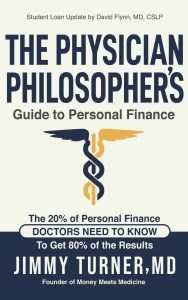
Download a free copy!
Disability insurance is a vital tool for physicians to protect their income and financial future. By understanding the misconceptions around coverage—like cost, denial fears, and the need for long-term policies—you can make informed decisions that align with your career and financial goals. Whether you take advantage of graded premiums, GSI coverage, or plan to reduce your coverage as you near financial independence, there are flexible, affordable solutions tailored to physicians like you.
Remember: The best time to secure your coverage is now, while you’re healthy and early in your career. Don’t let these misconceptions stop you from protecting your most valuable asset—your ability to earn.
